We use cookies to make your experience better. To comply with the new e-Privacy directive, we need to ask for your consent to set the cookies. Learn more.


event management equipment
-
April 05, 2026Categories: Event Equipment
Portable Staging Solutions: How to Choose the Right Stage for Your Event
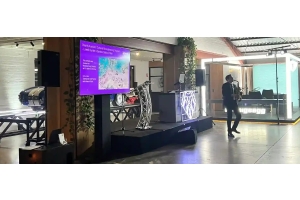
Read more »A stage does something quiet but powerful. It tells your audience: this is where things happen. Before the lights go up or the microphone gets switched on, the stage has already done half the work.
Picking the wrong one, though? That creates real problems. Wobbly platforms, poor sightlines, cramped access. Not ideal when you have 200 people watching.
This guide cuts through the noise and helps you make a confident decision.
What Exactly Is a Portable Stage?
Put simply, a portable stage is a modular platform. It gets assembled on-site, it does its job, and it packs down afterwards. No permanent structure, no construction crew, no venue dependency.
That adaptability is the whole point. You control the size, the height, the shape. It bends to your event, not the other way around.
Portable staging works well across a surprisingly wide range of events:
- Corporate conferences, awards nights, and product launches
- Weddings and private celebrations
- Fashion show catwalks and runway setups
- School concerts, community events, and theatre productions
- Outdoor festivals, exhibitions, and sporting ceremonies
A stage does not just give performers somewhere to stand. It frames them. Directs where eyes go. Gives the whole event a spine.
The Factors That Actually Matter When Choosing
1. Your Event Type and How Many People Are On Stage
A solo keynote speaker needs something very different from a six-piece band with a drum kit. Think about what is actually happening up there.
- Small events under 100 guests: A low, compact platform is usually enough
- Mid-size events of 100 to 300 guests: A raised stage with steps and handrails starts to make sense
- Larger events above 300 guests: Wider deck configurations with multiple access points become important
-
February 17, 2026Categories: Business / Conference Projectors
Best Projectors for Corporate Events, Conferences & Seminars
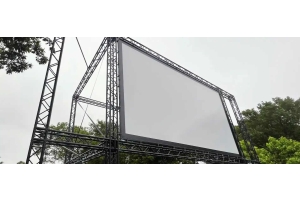
Read more »Projectors have quietly become one of the most critical pieces of equipment at corporate events. Slides can be perfect, speakers well prepared, and the venue impressive, but if the image on screen is dull or unreadable, the message falls apart. Many organisers only realise this after a few awkward moments of squinting at blurry charts or washed-out videos.
This guide breaks down what actually matters when choosing projectors for conferences and seminars and which types consistently perform well in real corporate environments.
Why Corporate Events Need the Right Projector
Corporate audiences expect clarity. If it is financial data, keynote decks, live demos or even remote speakers, it all depends on a screen that appears to be crisp from any seat in the house. Unlike home setups, event projectors must handle bright rooms, long throw distances, and constant use without hiccups.
According to industry statistics on AV hire companies, bad projection quality is among the three leading technical grievances at conferences, second only to audio feedback and WiFi problems. The good news is that most of these problems come from choosing the wrong projector type, not from budget limits.
Key Features That Matter Most
Brightness That Beats Room Lighting
Brightness is measured in lumens, and for corporate events, this is non-negotiable. Meeting rooms with ambient light typically need at least 4,000 lumens. Ballrooms and conference halls often require 6,000 lumens or more. Anything lower risks faded slides and tired eyes.
Resolution That Supports Real Content
The presentations that contain text require greater resolutions. Full HD is now the baseline for professional events. For large conferences, WUXGA or 4K-ready projectors deliver cleaner charts and sharper visuals, especially when screens stretch wide.
Reliability Under Pressure
Events allow no second takes. Laser projectors have become the preferred choice because they start instantly, run quietly, and stay consistent across long sessions. Lamp-based units still work, but they need more maintenance and backup planning.
Best Projector Types for Corporate Use
Laser Installation Projectors
These are the workhorses of conferences and seminars. High brightness, stable colour output, and minimal downtime make them ideal for multi-day events. They perform well on large screens and cope easily with long throw distances.
Short-Throw Projectors for Breakout Rooms
Breakout sessions often run in tighter spaces. The short-throw models minimize shadows and glare in the event that the presenters are standing next to the screen. They work well for workshops, training sessions, and panel discussions.
Portable Business Projectors
The lighter projectors are useful in smaller meetings and roadshows. While not as bright as installation units, modern business projectors still deliver solid performance for boardrooms and smaller venues.
Recent Posts